
Recessed Lighting vs. Pendant Lights: Which Is Right for Your Space?
When it comes to brightening up your home in West Palm Beach, choosing between recessed lighting and pendant lights can feel overwhelming. Both options have their strengths, and the right choice really depends on your room's layout, your design goals, and how you plan to use the space. In this guide, we'll walk you through the key differences so you can make an informed decision that works best for your home.
Understanding Recessed Lighting
Recessed lights—sometimes called can lights—are installed flush into your ceiling, creating a clean, minimalist look. They're popular in modern homes because they don't interrupt the sight line and give rooms an open, airy feel. These fixtures work especially well in kitchens, bathrooms, and hallways where you want even, ambient lighting without visual clutter.
The main advantage of recessed lighting is versatility. You can space multiple fixtures throughout a room to create layered illumination, and they're great for highlighting artwork or architectural features. They also work well in rooms with lower ceilings since they don't hang down. However, installing recessed lights does require cutting into your ceiling, which is why professional light fixture installation in West Palm Beach is important to get right.
The Appeal of Pendant Lights
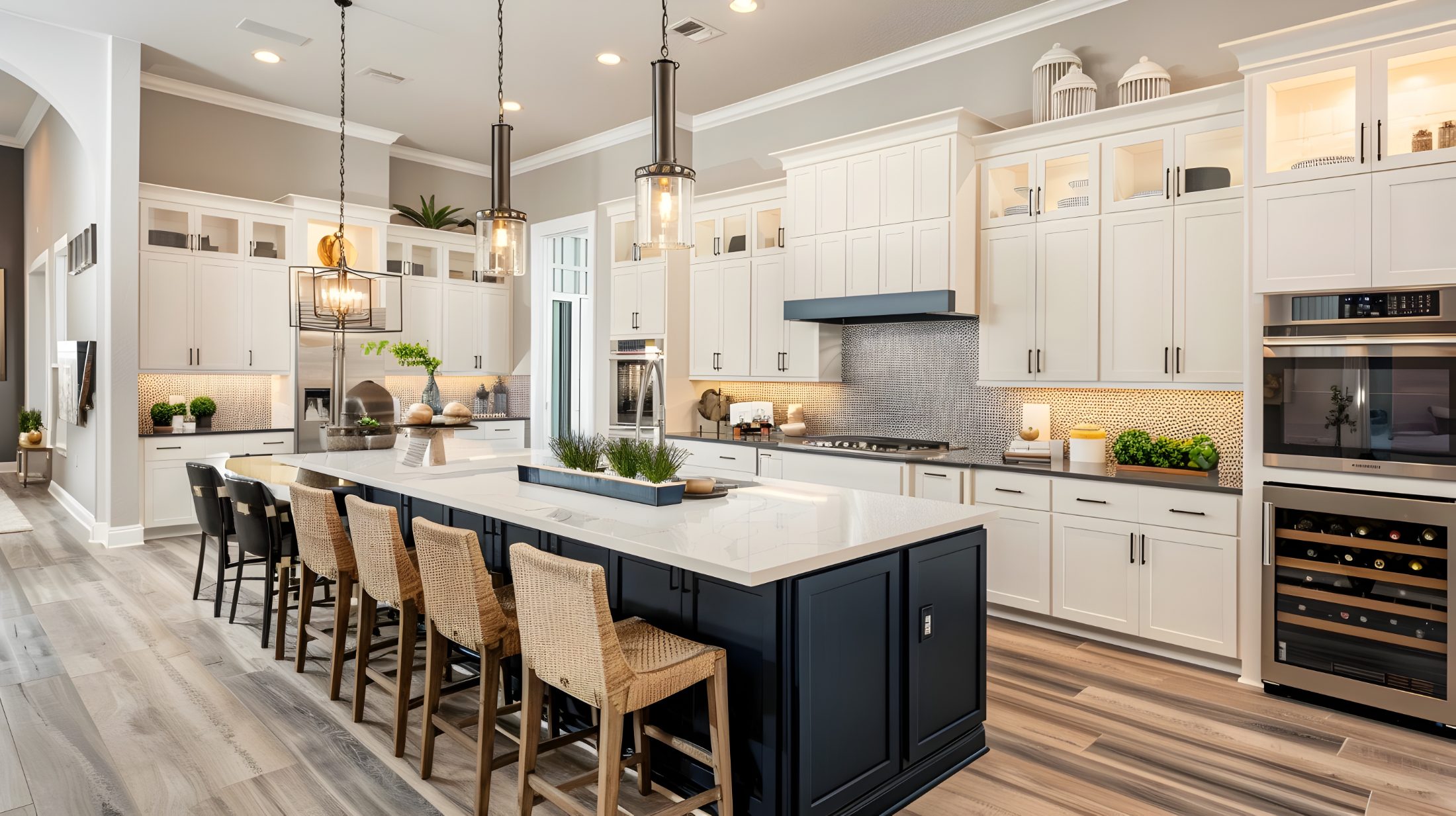
Pendant lights hang from the ceiling and make a design statement. They come in countless styles—from industrial to farmhouse to mid-century modern—and can become a focal point in your room. Pendant lights are ideal over kitchen islands, dining tables, and bathroom vanities where you want both function and style.
Because they hang lower, pendant lights provide more direct, focused illumination than recessed options. They're also easier to install since there's no ceiling cutting involved. The trade-off is that they do take up visual space, so they work best in rooms with higher ceilings or where you're intentionally creating a design statement. When comparing recessed lighting vs. pendant lights, think about whether you want your fixtures to fade into the background or be a design feature you showcase.
Key Factors to Consider
Ceiling Height: If you have standard 8-foot ceilings, recessed lights keep the room feeling open. Pendant lights work better with 9-foot or higher ceilings to avoid feeling like they're hanging too low.
Room Purpose: Kitchens and workspaces benefit from the even coverage of recessed lighting. Living rooms and dining areas often shine with the focal appeal of pendant lights. Bathrooms can work with either, depending on your preference.
Design Style: Modern, minimalist spaces favor recessed lights. Rooms with defined design themes—like contemporary, rustic, or eclectic—often benefit from statement pendant lights. You can also combine both for a layered approach.
Installation Complexity: Recessed lighting installation is more involved and typically requires professional work. Pendant lights are simpler, though you'll still want an experienced electrician to handle the wiring safely.
Making the Right Choice for Your Home
The best lighting setup often combines multiple types. Many West Palm Beach homeowners use recessed lights as their base lighting layer and add pendant lights as accent or task lighting. This gives you flexibility to adjust the mood and brightness depending on the time of day and your needs.
Before making your final decision, think about how you use each room and what feeling you want to create. Walk through your home at different times of day to understand your natural light patterns. Then consider whether you need subtle background lighting, focused task lighting, or dramatic design elements.
A: Absolutely! In fact, combining them is a smart approach. Use recessed lights for overall ambient lighting, then add pendant lights over specific areas like a kitchen island or dining table for task lighting and design interest.
A: Energy efficiency depends on the bulbs you choose (LED, incandescent, etc.), not the fixture type itself. Modern LED options work great in both recessed and pendant fixtures and can help lower your energy bills.
A: A common rule is to space them about 4-6 feet apart for even coverage, but the exact spacing depends on your ceiling height, bulb type, and the brightness you want. A lighting professional can help you plan the perfect layout.
A: Yes! Pendant lights are popular over kitchen islands and peninsula countertops. For general kitchen lighting, many homeowners combine pendant lights with recessed lights or under-cabinet lighting for complete coverage.
Ready to transform your home's lighting? Whether you're leaning toward recessed lighting, pendant lights, or a combination of both, the installation process matters just as much as your choice. Contact Vincent's Handyman Service today for a consultation about your light fixture installation needs in West Palm Beach—we'll help you get it right.